
10 Things Nobody Tells You Before the Kuari Pass Trek
Anyone who has done the trek to Kuari Pass knows all about the ridge walk, the meadow view, and the majesty of Nanda Devi. What few people mention, though, are the details that matter. The little-known details you discover while walking the trail, often the painful way.
These are ten facts about the Kuari Pass trek you should know before booking your trip, based on what surprises beginners the most.
1. The Drive Is Longer Than the Trek Feels
While people prepare for trekking activities, they do not realize that the drive can be long, tiring, and energy-consuming even before the trek. While on your way to Joshimath for the Kuari Pass trek drive, you will initially take a short distance towards Rishikesh before proceeding towards Joshimath for a rocky mountain road tour for about 9 to 11 hours, covering approximately 256 km, and leading towards Devprayag, Rudraprayag, Karnaprayag, and Nandprayag.
Plan Around It
Drivers should use their time efficiently and plan accordingly. Always select early departures from either Rishikesh or Dehradun, and avoid scheduling any adventure activities on the day of arrival at Joshimath.
2. “Moderate” Difficulty Still Means Real Effort
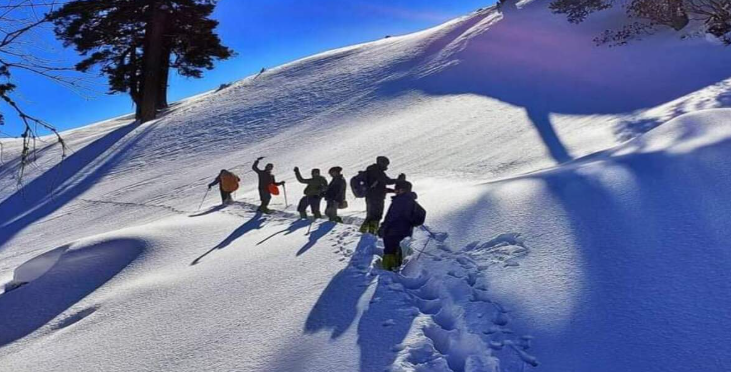
The Kuari Pass trek is officially classified as moderate in difficulty, but this term is often used casually in trekking. Moderate here means that you will be walking 4-7 hours every day and climbing up to an altitude of 12,763 ft. Furthermore, if you are venturing into the trek during the winter season, you will be dealing with the thick blanket of snow that makes walking even harder.
How Moderate feels like
You should expect your legs to begin feeling fatigued on Day 3, especially during the climb towards Gulling Top and Mount Nanda Devi on summit day. Completing a few weeks of walking or some other form of light exercise before your trip will definitely make a difference.
3. The Kuari Pass Trek Distance Is Deceiving on Paper
The distance of the Kuari Pass trek is around 33-35 km, which seems like a reasonable trip. However, the trek involves a number of difficulties such as climbing ridges, walking through jungles, and traversing icy trails, which all add a further degree of difficulty. Therefore, their performance should be judged not by the overall distance that they have to cover, but by the amount of height they have to gain in one day.
4. Acclimatization Isn’t Optional, Even at 12,763 ft.
Many trekkers hold the view that altitude sickness does not become a real danger until the elevation climbs above 15000 ft, when, in reality, Kuari Pass is lower than that. Nevertheless, if trekkers gain too much elevation in a few days, they are likely to experience headaches, shortness of breath, or fatigue. It is much more important to drink enough fluids and take things at a steady pace at higher elevations than most travel plans suggest.
Signs You Need To Be Aware Of
People may encounter mild headaches, feeling unusually tired, or loss of appetite during the first stages of altitude sickness. Normally, such symptoms are of no concern, but ignoring them may get people into trouble.
5. Winter Trekking Requires Gear Most First-Timers Don’t Own
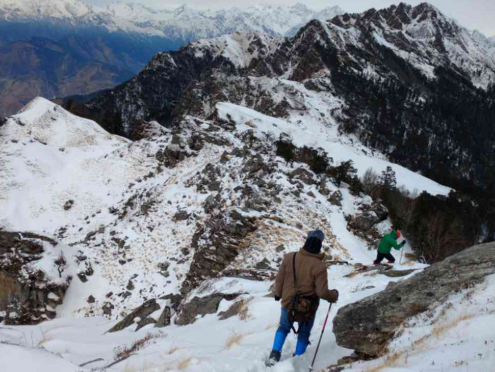
Trekking in December to March means you will be trekking in the snow — actual snow and not a sprinkling of it. This is because waterproof trekking boots, gaiters, and trekking poles are necessities for any good experience you might have during the climb. It’s better to rent your trekking equipment in Joshimath than use whatever gear you used on your previous trip.
6. Your Kuari Pass Trek Package Probably Doesn’t Cover Everything You Assume
Most individuals who sign up for a Kuari Pass trek package expect everything to be covered, but often find themselves paying extra once they reach the destination. Packages that cost less include transport, food on trek, porters and guide, permit fees, and camping equipment, but rarely include porter fees, personal trekking equipment, insurance, and emergency evacuation fees. Carefully read the exclusions just as much as the inclusions.
Allowance for Additional Costs
Allow yourself an extra few dollars for tips and snacks, and unexpected gear rental in Joshimath. It is a small sum when considering the cost of the trek, but it still counts in case it is unexpected.
7. Mobile Network Disappears Fast After Joshimath
Connectivity in Joshimath is adequate, yet once the trek begins, the network disappears quickly. It is not wise to assume that calls can be made or messages can be sent from Gulling Top or Tali Forest Camp. So, if you have to notify anyone back home, it is better to do it before leaving Joshimath.
8. Gurson Bugyal Steals the Show — More Than the Pass Itself
This trek is booked by everyone for the purpose of reaching the Kuari Pass summit, and it does not disappoint. However, when you speak to some people who have actually walked the same path, many of them surprisingly say that Gurson Bugyal, the huge meadow that you cross on your way back, is the actual point that stays with them the longest. In winter, it is an open and untouched snowfield whereas, in summer, it is full of greenery and wildflowers. Do not rush through it just because it is not the “main” highlight of the tour.
9. Camp Nights Are Colder Than the Daytime Trek Suggests
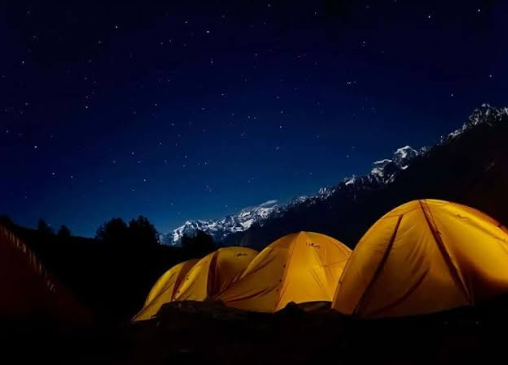
Trekking during the daytime, when there is still sunlight, may be so warm that travelers underestimate the need for adequate gear to stay warm during the night. The drop in temperature once the sun disappears behind the ridge and the descent into Tali Forest Camp happens abruptly, especially if it is wintertime. Warm clothes, a sleeping bag, and a hat cannot be forgotten, even if trekking during the day was comfortable with just a thin jacket.
The Mistake in Layering
The wrong choice of clothes is selecting only one thick jacket instead of several thin layers.
10. The Trail Views Change So Much, One Trek Doesn’t Feel Like Enough
This is the hike that is not often talked about until you have gone there. Kuari Pass changes completely according to the season, snowy mountains in winter, flowers blooming in spring, dry and clear paths in fall. Most of the trekkers do it once and plan to come again to see it in different weather. It is rather a hike that you would not do just once.
Quick Recap: What to Actually Prepare For
- Plan a full day for travel both ways if trekking to Kuari Pass from Dehradun
- Take “moderate” difficulty level seriously and prepare accordingly
- Do not measure effort on the basis of trek length; elevation and terrain matter
- Walk slowly and allow yourself to acclimatize, even if lower than 15,000 feet
- Hire suitable winter clothing if trekking from December to March
- Read the exclusion policy of your trek package carefully before signing up
- Remember there will be no network coverage once you begin trekking
- Give Gurson Bugyal its due
- Bring warm clothes for cold night temperatures at the camp
- Be prepared for one trek to become another
Conclusion
The Kuari Pass trek is more than just a pretty trek in the Himalayas; it is a testament to diligent planning and realistic expectation setting. From long mountain drives and altitude gain to chilling nights and unpredictable weather, understanding some of the minutiae will lead to a smoother and more enjoyable experience.
Knowing the details of the Kuari Pass trek’s distance, difficulty, connectivity, equipment requirements, and package inclusion will help you plan with confidence. Whether you start the Kuari Pass trek from Dehradun or Joshimath, make sure you prepare properly, know what to carry, and come ready to tackle the mountains. The result is a picturesque trek worth doing more than once.
Frequently Asked Questions
Is the Kuari Pass trek suitable for first-time trekkers?
Yes. Although the Kuari Pass trek offers stunning views at high altitude, it is classified as moderate difficulty and is widely known as one of the easiest trekking routes in the Himalayas, provided you have adequate fitness and preparation.
How long does the Kuari Pass trek from Dehradun take in total?
Including travel days, it usually takes about 5 days/6 nights, and travel from Dehradun through Rishikesh to Joshimath takes about a day each way.
What is the total Kuari Pass trek distance?
It is around 33-35 km in both directions and includes forest trails, ridges, and meadows between Joshimath and the pass point.
Does a Kuari Pass trek package include gear rental?
While camping gear and arrangements for the trek are provided, trekking gear is usually not included in most packages; therefore, winter boots or trekking sticks need to be provided by the trekker separately.
Is prior trekking experience required for Kuari Pass?
There is no requirement for any previous trekking experience, although basic physical fitness is recommended.
Related Blogs
Spiti Valley Tour Package Packing List: What to Carry for Your Trip
Ask anyone who’s done Spiti twice, and they’ll tell you the same thing: the trip that goes wrong usually goes…
Spiti Valley Tour Package 2026: Complete Travel Guide for First-Time Visitors
There’s a reason Spiti keeps showing up on every “before you turn 30” travel list, and it’s not just the…
Spiti Valley Tour Package from Delhi: Route, Cost & Complete Itinerary
Beyond Chitkul, greenery vanishes, and you instantly traverse from an environment of pines and apple orchards to one filled with…