
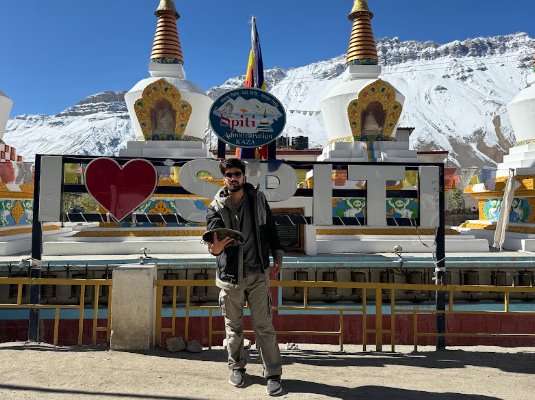
Spiti Valley Tour Package Packing List: What to Carry for Your Trip
Ask anyone who’s done Spiti twice, and they’ll tell you the same thing: the trip that goes wrong usually goes wrong because of a packing list, not the itinerary. Altitude sickness from not carrying enough water. Frozen fingers because gloves got left in a bag at the hotel. A phone that died on day three because nobody carried a power bank. None of it is dramatic, but all of it is avoidable.
This guide breaks down exactly what to pack for a Spiti valley tour package, adjusted for the season you’re traveling in and the kind of trip you’ve booked — whether that’s a standard road circuit, a camping stay, or a bike trip.
Why Packing for Spiti Is Different From a Regular Himalayan Trip
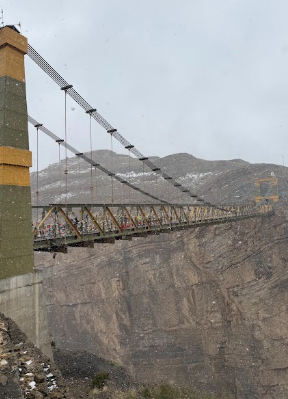
Spiti is not your regular hill station holiday destination. Here, you have a cold desert environment, elevations above 12,000 ft., fewer shopping facilities after Kaza, and extreme fluctuations in weather conditions in a single day. The stuff you carry will affect your journey experience and safety.
The Altitude Challenge
Many places you’ll pass along the main route are way above 12,000 ft., while some locations go beyond 14,000 ft. With such elevations, hydration, warm clothing, and medical supplies become more important than in your ordinary hill holiday.
Shopping Options After Kaza Are Very Limited
After passing Kaza, opportunities to buy some forgotten items become very few. If you forgot something, there won’t be any opportunity to make up for that; you have to take everything with you. That’s exactly why it’s so important to pack properly for this trip.
Core Packing List for Every Spiti Valley Tour Package
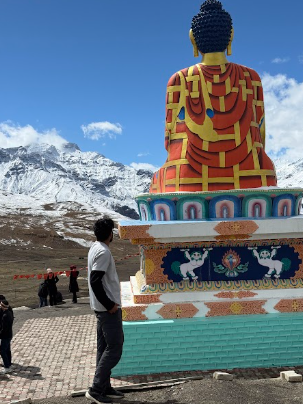
Regardless of season or trip type, a few essentials apply to nearly every Spiti traveler.
Clothing Basics
- Thermal inner layers for both upper and lower body
- A fleece or padded mid-layer jacket
- A water-resistant outer jacket
- Full-length trekking or travel pants
- Woolen cap, gloves, and a few extra pairs of socks
- A sun cap or hat for daytime glare protection
Footwear
Closed, sturdy shoes with good ankle support and grip are non-negotiable, even for travelers who aren’t planning to trek. Uneven terrain around monasteries, villages, and viewpoints makes basic sneakers a poor choice.
Personal and Health Items
- Sunscreen & Lip Balm – sun exposure is much stronger up high than you would expect
- Good sunglasses that protect against UV rays
- Your personal medications, along with a health pack
- Any altitude sickness medication prescribed by your doctor, if required, discussed beforehand
- Power Bank and charging cable, as charging ports are not many on driving days
- Identity Proof and sufficient money, because ATMs become inconsistent beyond Kaza
Practical Add-Ons
A water bottle or a hydration kit becomes much more relevant here than you would think, as hydration is one of the easiest ways to combat altitude discomfort. A flashlight would be quite handy too, especially for early mornings and any power outages.
Packing by Spiti Valley Best Time to Visit
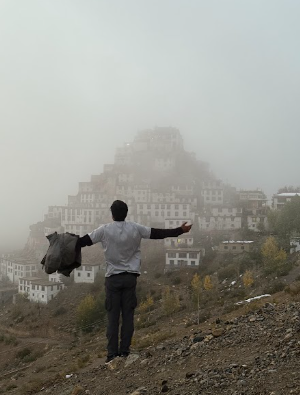
The nature of your packing changes significantly based on the season you pick to travel to Spiti Valley, and it makes sense to pack according to your time of travel rather than some general pointers.
May to June: Early Season Packing
You can expect the mornings and evenings to be cooler, but the sun is quite strong during the day. It is essential to wear a good insulation layer together with sun creams because you will face cold mornings, as well as strong sunlight in this time frame.
July to September: Peak Season Packing
This is the most stable period weather-wise; however, nights in higher villages are still chilly. Here you can use a bit lighter version of your usual packing list, but it is crucial to have something warm for the evening.
October: Shoulder Season Packing
Temperatures start to decrease significantly at night, which is where you can see the importance of having one more insulating layer as well as warmer sleeping equipment if you are camping.
Spiti Valley Winter Trip: A Completely Different Packing List
If you are planning a winter trip to Spiti, expect your packing list to be almost entirely different from what you would have in summer because of the extreme change in weather patterns.
Necessary Winter Items
Winter treks or road trips in Spiti are difficult without proper down jackets and thermal wear. It is a must to wear waterproof gloves and insulated boots, as normal trekking shoes cannot withstand ice-cold weather.
Additional Requirements
Winter also has many extra requirements such as gaiters that keep snow from getting into your shoes, extra warm socks, and a good sleeping bag liner even when you are in a hotel that does not have an efficient heating system.
Expect Cold Nights
While winter sunshine can be pleasant, nights are extremely cold in Spiti, temperatures falling well below zero. It is better to wear layers instead of packing just one heavy jacket as it will allow you to adjust to the varying temperatures throughout the day.
What to Pack for a Spiti Valley Camping Tour
Those planning a camping trip in Spiti must think pragmatically, since accommodation is part of packing.
Key Components Of Sleeping System
A sleeping bag with a low-temperature rating and other sleeping gear, like a sleeping mat, can help keep you warm. In several camping trips, accommodation like a tent and bedding might be provided. However, it is important to know exactly what is included in the tour.
Comfortable Items For Camping
Headlamps play a vital role in camping since illumination at camps in the dark is absent. It is better to carry extra layers of clothing to stay comfortable in the evening, when it is cold.
Hygiene and Useful Camping Gear
Biodegradable toiletries and a towel that dries off fast must be in your luggage, since many camps have limited facilities for washing. Using small waterproof bags for electronic devices and documents will also be helpful.
Packing for a Spiti Valley Bike Trip Package
Traveling to Spiti Valley on a motorcycle requires special attention during packing, due to the long hours of riding and the constant exposure to wind, dust, and high-altitude conditions.
Riding Equipment Required
Due to rough terrain and unpredictable weather conditions throughout the mountain journeys, it is important to wear full-face helmets, riding jackets equipped with armor protection, riding gloves, and knee pads. It is advisable to wear waterproof riding gear, as the weather can change dramatically when riding at high altitudes.
Dressing in layers
Thermal clothing should be worn under riding gear to keep warm while riding at an altitude, particularly early in the morning. A buff, scarf, or neck gaiter is also useful for protecting oneself from wind and dust during prolonged moments of open travel.
Other useful accessories
It is essential to carry a standard toolkit, puncture repair kit, and bicycle air pump, especially on self-riding or rented motorcycles, because mechanics will not be easy to find on the way. A dry bag is useful for keeping important documents and electronics safe from dust while riding on muddy tracks.
Packing List by Spiti Valley Itinerary 7 Days
A 7-day itinerary for the Spiti Valley requires packing appropriately for the multiple altitude ranges and lodging types within a relatively short period of time.
Days Spent in Transit
With the long driving days in mind, the requirement includes comfortable layered clothes, snacks and sufficient hydration, and a simple backpack for anything needed on the way.
Days Spent in High-Altitude Locations
Since villages like Kaza, Langza, Hikkim, and Komic lie above 12,000 ft, warmer clothes and appropriate shoes for the altitude become important on these days.
Packing for the Week
Because of the 7-day itinerary and limited chances to do laundry, it is smarter to pack enough layering pieces and socks for the week instead of relying on doing laundry along the way.
Smart Packing Tips for Any Spiti Valley Tour Package
Use Layers & Not Bulk
Wearing several lighter layers is much more practical than a heavy jacket, since you can stay comfortable throughout the day, regardless of temperature differences.
Travel Light, But Don’t Forget The Essentials
Although traveling often means long hours on the road and sharing cars, it is essential to pack light; at the same time, essentials must not be neglected, e.g., hydration, warm clothing, and medications.
Check What Is Already Included
Some tours include camping gear, oxygen tanks, and other equipment. It makes sense to verify what is included so you don’t have to bring it again.
Conclusion
The right packing could change things completely for your Spiti Valley tour packages. The place being at a high altitude and having a cold desert climate, along with very little to buy in terms of shopping and unpredictable changes in the weather, make it essential to prepare much more than normal before a vacation. For a summer road trip to Spiti Valley, a Spiti Valley winter tour, or even biking through the valley, you need to plan your packing according to the season and the type of package you choose.
Frequently Asked Questions About Packing for Spiti Valley
Is Spiti Valley safe for beginners?
Yes, the road trip is suitable for beginners with basic fitness.
What is the best time to visit Spiti Valley?
May to October is considered ideal.
Is altitude sickness common in Spiti?
Some travelers may experience mild altitude symptoms due to high elevation.
What type of accommodation is provided?
Hotels and traditional homestays are provided depending on the location.
Is mobile network available in Spiti Valley?
Network is limited. BSNL and Jio work in some areas.
Related Blogs
Spiti Valley Tour Package 2026: Complete Travel Guide for First-Time Visitors
There’s a reason Spiti keeps showing up on every “before you turn 30” travel list, and it’s not just the…
Spiti Valley Tour Package from Delhi: Route, Cost & Complete Itinerary
Beyond Chitkul, greenery vanishes, and you instantly traverse from an environment of pines and apple orchards to one filled with…
10 Things to Know Before Booking the Brahmatal Trek
Booking a Himalayan trek usually starts with a scenic photo and ends with a dozen tabs open, trying to figure…