
Spiti Valley Tour Package 2026: Complete Travel Guide for First-Time Visitors
There’s a reason Spiti keeps showing up on every “before you turn 30” travel list, and it’s not just the scenery. It’s the fact that almost nothing about the place looks like the rest of India — bare mountains instead of forest, monasteries older than most countries, and roads that genuinely test a driver’s nerve.
If you’re booking your first Spiti valley tour package for 2026, this guide covers the essentials: when to go, which route to take, and what a winter trip actually involves.
What Makes Spiti Valley Worth a First Visit
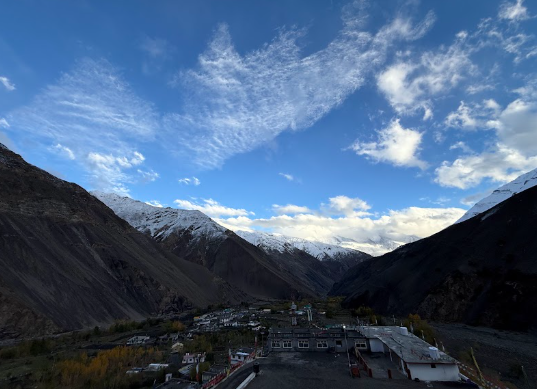
Spiti is situated in the trans-Himalaya zone in Himachal Pradesh, sandwiched between the Kinnaur Himalaya range and the Tibetan plateau. Spiti is often referred to as a cold desert, and rightly so because you just have to look at it for it to be true. It is surrounded by dry brown mountains, rivers, rocky valleys, and villages existing out of sheer willpower.
A Scenic Destination for Photographers
In contrast to other regions of the Himalayas that rely on lush greenery and streams, Spiti is a land of opposites with white snow-capped peaks along with brown slopes, bleached monasteries built on cliffs, and skies that are bright enough to see stars and understand the reason behind the arrival of twilight long before the night.
Culture That Resembles Preservation
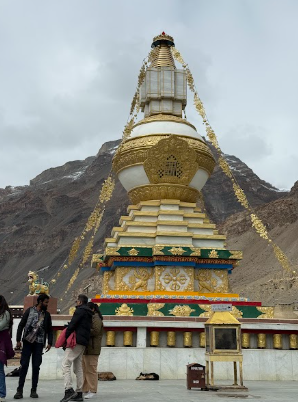
The influence of Tibetan Buddhism is present in every aspect of life in Spiti; from ancient monasteries to prayer flags on the mountain roads, every piece of evidence of this ancient religion proves that life is very different here when compared with other regions, something that is hard to explain to those who are yet to come to this place.
Spiti Valley Best Time to Visit: Picking Your Season
Working out the Spiti Valley best time to visit really depends on what kind of trip you want, since the region changes dramatically across the year.
May to June: Early Season Access
This phase opens the high-altitude trails as the snow melts from the mountain passes. Although some sections of the road remain rough around the edges, it’s a good time to visit due to fewer crowds and clear mountain air.
July to September: Peak Travel Season
This is when the majority of first-time visitors arrive. The roads have completely cleared up, with a stable weather pattern. Besides, the two main access points to the valley are open. It is monsoon season all across India, but Spiti is protected from heavy rains thanks to the rain shadow.
October: The Calm Shoulder Season
The number of people decreases drastically, the temperature begins dropping, and the colors of the landscape shift to golden. It’s a great time to visit Spiti if one wants to experience Spiti without crowds on the narrow roads.
Winter (December to February): A Totally Different Adventure
Spiti in winter collapses into a snow-covered roadless area that only small groups of prepared travelers visit (details below).
Manali to Spiti Valley Route: The Adventurous Approach
For western hemisphere travelers, the Manali to Spiti Valley road is, among the two conventional means of entering the region, particularly striking.
Points of Interest on This Road
The journey begins with road users traversing the Atal Tunnel,, which avoids the pass, then continuing down to Lahaul and further to Spiti after climbing over Kunzum Pass. There are numerous places of interest along the route, including Chandratal Lake, one of the most photographed high-altitude lakes in the Himalayas, and, further on, Kaza.
Why This Road Brings More Thrill
The Manali route is hotter than Shimla–Kinnaur because the passes are higher and the altitude changes are sharper. The journey typically occurs only between June and early October, since the Kunzum Pass is blocked by snow almost the rest of the year.
Using Both Roads
Some people opt for the circuit journey, entering the valley through Manali and then leaving through Shimla and Kinnaur, or vice versa, following the route’s circuit. This helps you make the most of a Spiti Valley tour, as it does not repeat any roads.
What a Standard Spiti Valley Tour Package Includes
Most tour operators’ packages are based on a similar framework.
Transportation and Accommodation
Packages normally include transportation for the entire route, whether by a shared tempo traveler or a private car, as well as hotel or homestay accommodation in the villages along the way.
Sightseeing and Entry Assistance
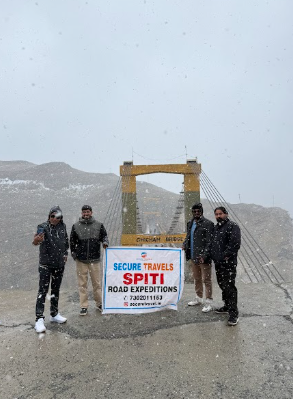
Most tours include monastery entrance fees, visits to viewpoints, and high-altitude villages like Langza, Hikkim, and Komic, along with such places as Key Monastery and Chicham Bridge.
The Most Important Things That Are Usually Excluded
Meals apart from those mentioned in the itinerary, payments for taking photos at certain monuments, tips, and all costs that may arise because of road closures are generally left out of the cost of the trip.
Spiti Valley Winter Trip: What First-Timers Should Know
A winter visit to Spiti Valley is completely different from a routine summer trip, and one must understand why before making any booking plans.
Only One Path Remains Open
During the winters, the Manali path becomes completely unapproachable owing to the snow in Kunzum Pass, whereas the Shimla–Kinnaur path remains the only feasible way to access the valley.
The Visuals of the Place
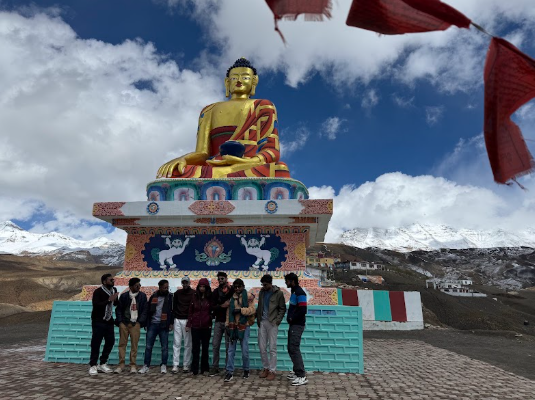
The whole area gets covered with snow on the ground, with rivers freezing partially and the entire cold desert zone turning into a truly winter landscape. This is an entirely different view from the brown and dusty valleys of the summer period.
Who Should Not Go in Winters
Winter visits require extra preparation in terms of heavy winter gear, readiness to face road conditions, and willingness to stay in smaller villages during the off-season. Winter tours should be taken by tourists who have done the routine Spiti tours and now wish to explore another side of the valley.
Planning Tips for First-Time Visitors
Include Acclimatization Days
Given Spiti’s altitude, which rises beyond 12,000 feet at times, rapid movement without acclimatization can lead to altitude sickness. A good tour is fully balanced to the travel schedule
Bring Enough Money in Cash
Once deep in the valley, ATMs will not be available or reliable; hence, it is advisable to carry enough cash before starting the journey. Good travelers recommend carrying enough cash for all things.
Prepare Yourself for Temperature Extremes
Even when it is not winter, the difference between daytime and nighttime temperature is considerable. Use multiple layers of clothes instead of a thick coat so you can adjust your clothing smoothly to temperature changes.
Final Thoughts
It is necessary to consider a few things while organizing your first tour to the Spiti Valley: namely, the best season for the trip, the best route, and the speed of traveling. The Manali to Spiti route is the most breathtaking among the roads to the area, while magnificent and ancient monasteries, picturesque villages, and high mountain passes make the tour even more fascinating.
Although summer is much more comfortable for visiting Spiti Valley, winter offers a completely different experience. It is advisable to consider the low oxygen levels in Spiti, rapid weather changes, poor internet connectivity, and time-consuming travel before the visit to have an unforgettable experience in Spiti.
Frequently Asked Questions About Spiti Valley Tour Packages
What is the Spiti valley best time to visit for first-timers?
Generally speaking, July to September is the ideal period for first-timers due to favorable weather conditions and access to both the Manali and Shimla-Kinnaur routes.
Which is better, the Manali to Spiti valley route or the Shimla route?
While the Manali route is certainly picturesque, it can be traveled only between June and early October, whereas the Shimla-Kinnaur route remains open for a greater portion of the year.
Is a Spiti valley winter trip suitable for first-time visitors?
It’s better for experienced travelers since the weather is colder and the number of facilities is fewer during this period, and there is just one route available to take.
What does a standard Spiti valley tour package typically include?
A standard tour package includes travel, accommodations, entry fees to monasteries, and sightseeing in major villages, but excludes meals, tipping, and cost of inclement weather.
How many days does a typical Spiti Valley trip take?
Spiti Valley Tours usually take from 7 to 9 days, depending on whether it is a one-way trip or a full circle from Manali to Shimla.
Related Blogs
Spiti Valley Tour Package Packing List: What to Carry for Your Trip
Ask anyone who’s done Spiti twice, and they’ll tell you the same thing: the trip that goes wrong usually goes…
Spiti Valley Tour Package from Delhi: Route, Cost & Complete Itinerary
Beyond Chitkul, greenery vanishes, and you instantly traverse from an environment of pines and apple orchards to one filled with…
10 Things to Know Before Booking the Brahmatal Trek
Booking a Himalayan trek usually starts with a scenic photo and ends with a dozen tabs open, trying to figure…