
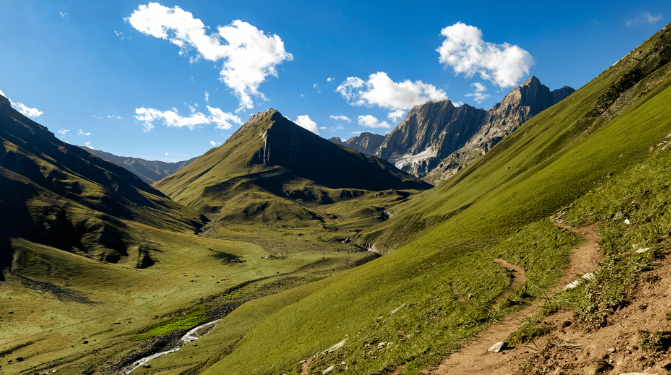
10 Things to Know Before Booking the Brahmatal Trek
Booking a Himalayan trek usually starts with a scenic photo and ends with a dozen tabs open, trying to figure out what the itinerary actually means in practice.
If you’re circling the Brahmatal trek for your 2026 winter plans, here are ten things worth knowing before you hit confirm on that booking page, the practical stuff that usually gets buried under the marketing copy.
1. Your Starting City Changes the Logistics More Than You’d Think
Although Rishikesh tends to be the pickup location for many itineraries, most trekkers prefer to start the Brahmatal trek from Dehradun because it offers better rail and air connectivity for travelers coming from other regions of India.
Things to Keep in Mind
Make sure to account for the short extra distance from Dehradun to Rishikesh before the actual drive to Lohajung starts, which takes about 10–11 hours. Although the distance doesn’t appear to be significant, not including it in your itinerary may lead to misunderstandings about arrival time on the first day. If you arrive in Dehradun by train or plane, try to reach the city earlier in the evening before doing the long drive, instead of arriving at the location in the morning.
2. The Trek Is Rated Moderate, Not Easy
The term “Moderate” is used quite liberally in the trekking market, so it’s beneficial to clarify its meaning in this case. The Brahmatal trek comprises daily strolls of 4 to 8 hours in the mountains, an ascent to around 12,250 meters, and lower or upper trails covered in snow depending on the date of the journey, making it a little tricky.
3. Brahmatal Trek Best Time Depends on What You Want to See
There’s no single best month; the best time for the Brahmatal trek really depends on the kind of trek you are interested in.
Peak Snow Time
Late January to February usually brings the deepest snow and clearest skies, making it the most popular period for photography and the classic winter trekking experience.
Early Winter
Late December to early January often features new snow and fewer trekkers, but it also tends to be colder at night and with a proportionally better chance of bad trail conditions.
Shoulder Season
March is the transition month; snow is melting in the lower parts of the area, while it is still mostly covered with thick snow higher up.
4. The Brahmatal Lake Trek Segment Is the Real Highlight
Many inexperienced trekkers think that the pass is the highlight of the trek, but anyone who has done the trek themselves will tell you that the best part is the Brahmatal lake trek. The Brahmatal Lake freezes in winter, with snow surrounding the banks and forest area, making it one of the most photographed places on the trek route.
Don’t Be In A Hurry Here
If you have enough time, take a break at the lake, especially at sunrise, when the morning light and calm make it look even more magnificent. Trekkers generally leave quickly to stick to the schedule, but if you want to capture memories in photographs, you can ask your trekking leader for a brief stop here.
5. Nights Are Colder Than the Daytime Trek Suggests
A warm, sunny day hike might seem very relaxing, but it can cause trekkers to underestimate the chilliness of the upcoming night they will spend at the campsite. Many areas such as Bekaltal and Brahmatal experience plummeting temperatures after sunset during the winter season. Therefore, don’t make your layering decisions based on the day’s temperature; make them according to the altitude of the campsite and the season.
6. Booking a Brahmatal Trek in Winter Means Renting Gear You Might Not Own
In the case of a trek planned between December and March, you can expect to encounter not just cold weather but also a real snow trek. A Brahmatal trek in winter would normally involve using waterproof trekking shoes, gaiters, and trekking poles, which many beginners may not own.
It Is Better to Rent Equipment
If you have no plans to go on several winter treks, it would be better to rent your trekking equipment in Lohajung or Rishikesh, as buying it will be more costly for a one-off trek.
7. Read the Exclusion List Before You Compare Prices
Packages may appear overpriced depending on the service provider until you study the details of what exactly is included. For example, various personal trekking items, insurance costs, expenses of porters and mules, emergency evacuation charges, tips or snacks would normally not be included in the basic package costs, while transportation, food, guide services and camping mattresses would most likely be covered.
Compare Line by Line, Not Just the Total
When a trekking service provider advertises a seemingly lower price, it may entail a lower guide-to-traveler ratio or even less comfortable camping arrangements, which could be important in winter conditions.
8. Mobile Signal Disappears Once You Leave the Base Village
While Lohajung can be reached by various transport means, once the trek has begun, the signal almost disappears along the entire trail passing through Bekaltal, Brahmatal, and Tilbudi. Thus, before heading off on your trek, make sure you inform the people back home what to expect regarding your communication in the near future.
9. The Distance Looks Short on Paper, But Snow Changes the Math
The full path from Lohajung through Bekaltal, Brahmatal, Brahmatal Pass, Tilbudi, and back via Wan Village is a distance that does not seem excessive in route. What this number fails to reveal is how much longer each part takes when the trail has snow on it. The pace is much slower than that of an equivalent-length dry-trail trek, so make your energy and daylight calculations accordingly.
10. One Trek Rarely Feels Like Enough
The place that sometimes catches people off-guard is Brahmatal. Depending upon what time of year you visit Brahmatal, it presents a different experience altogether. If you visit Brahmatal at the beginning of winter, when the snow is still pure and untarnished, the experience will differ from visiting at the peak of winter, when it snows constantly, and the place appears different. Moreover, there are times when trek lovers return to the place just because they want to see how it looks in a different season.
Quick Recap Before You Book
- Factor in the extra leg if you’re doing a Brahmatal trek from Dehradun rather than starting directly from Rishikesh
- Take the “moderate” difficulty rating seriously and build some fitness beforehand
- Pick your dates based on which version of winter you actually want to see
- Give the Brahmatal lake trek section the time it deserves, especially in the morning
- Pack proper layers for sharp temperature drops at camp
- Rent winter-specific gear locally instead of buying for a one-time trip
- Read the package exclusion list closely before comparing prices
- Expect no mobile signal once you leave Lohajung
- Don’t judge trek effort by distance alone once snow is involved
- Be prepared to want a second trip once you’ve done the first
Final Thoughts
When you know what to expect from the scenic paths and hike, booking the Brahmatal Trek becomes easy. From organizing the trip from Dehradun or Rishikesh to preparing for rough pathways, chilly nights, snowy walkways, and limited internet service, learning small details can change the situation dramatically.
Choosing the right season, winter clothing, and comparing packages will help you avoid unwanted surprises. Besides, earlier preparations will allow you to make your trek more rewarding and enjoyable instead of being in a hurry.
Frequently Asked Questions
Can I start a Brahmatal trek from Dehradun directly?
Most people on the Brahmatal trek prefer to arrive in Dehradun, then travel to Rishikesh, then from there to Lohajung, which is the starting point for the trek.
What is the Brahmatal trek best time for snow lovers?
Late January to February is the period with the highest snow cover on the Brahmatal trek and thus is the best time for a winter trekking adventure.
Is the Brahmatal lake trek segment worth the extra time?
Yes, the lake is partially frozen and located in the beautiful snowy forest, and it adds to the beauty of the trek.
How difficult is the Brahmatal trek in winter compared to other seasons?
The level of difficulty remains moderate throughout the year, but conditions are more challenging in winter due to snowfall, cold, and reduced daylight.
Does the Brahmatal trek require prior trekking experience?
No prior technical expertise is needed, though reasonable health and proper winter gear preparation are advised for tours undertaken between December and March.
Related Blogs
Spiti Valley Tour Package Packing List: What to Carry for Your Trip
Ask anyone who’s done Spiti twice, and they’ll tell you the same thing: the trip that goes wrong usually goes…
Spiti Valley Tour Package 2026: Complete Travel Guide for First-Time Visitors
There’s a reason Spiti keeps showing up on every “before you turn 30” travel list, and it’s not just the…
Spiti Valley Tour Package from Delhi: Route, Cost & Complete Itinerary
Beyond Chitkul, greenery vanishes, and you instantly traverse from an environment of pines and apple orchards to one filled with…