
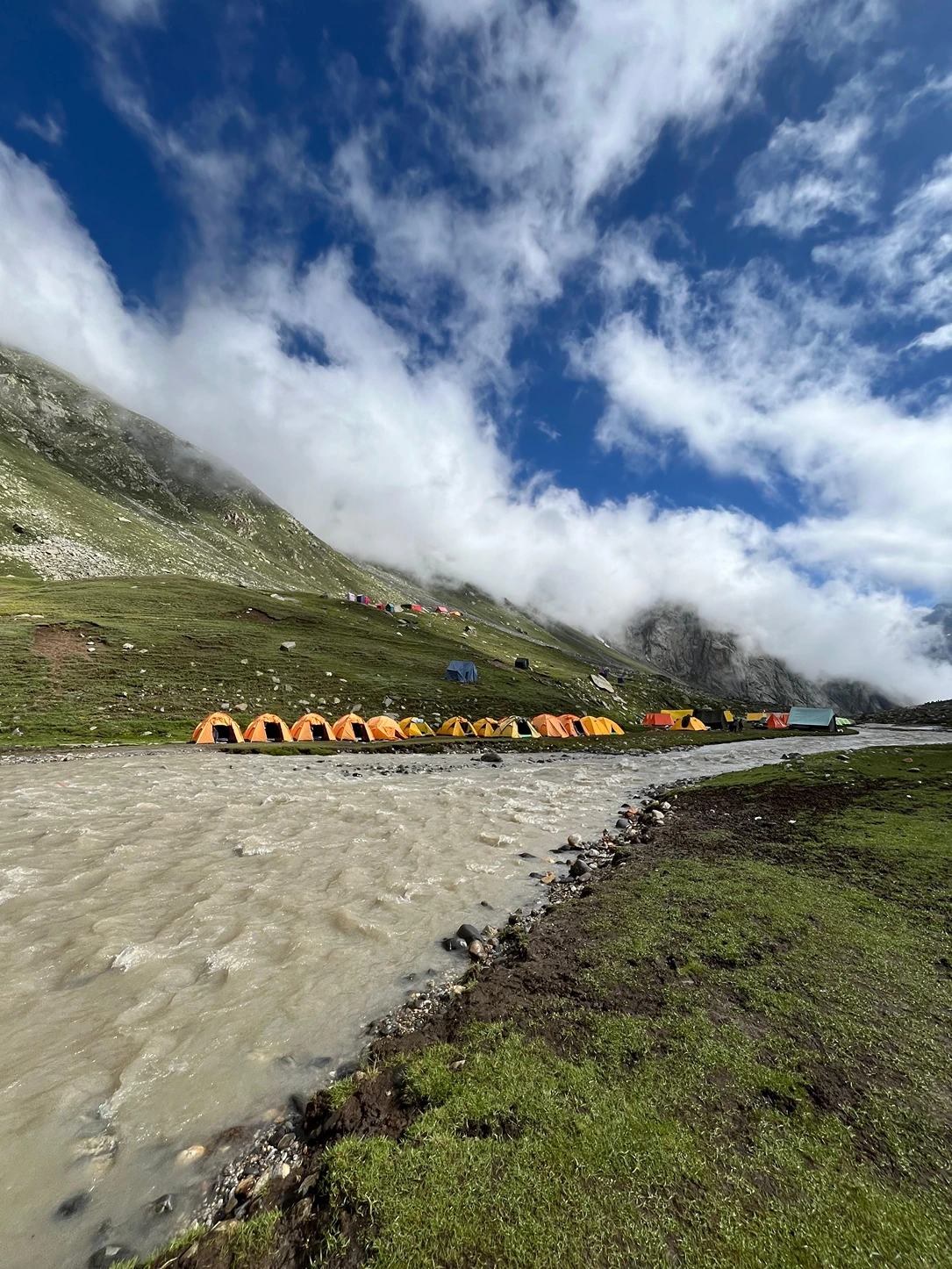
10 Things Nobody Tells You Before the Hampta Pass Trek
Everyone talks about the breathtaking landscapes, snow-covered mountain passes, lush green valleys, and thrilling river crossings of the Hampta Pass Trek. But there are several realities that first-time trekkers only discover once they’re already on the trail.
From unpredictable weather to surprisingly cold nights, these lesser-known facts can completely change your trekking experience—for better or worse.
Whether you’re planning your first Himalayan adventure or returning for another high-altitude trek, knowing these hidden truths will help you prepare more effectively, trek more safely, and enjoy every moment.
Let’s uncover the 10 things nobody tells you before the Hampta Pass Trek.
1. The Weather Can Change Within Minutes
Hampta Pass Trek is remarkable in its unpredictable weather.
Your morning may very well begin under bright sunny skies, but you will soon find yourself in pouring rain, fog, or snow.
Unlike other easy treks, the weather in Himachal is unpredictable and does not guarantee a dry trek.
Ensure that you have all the following gear with you:
- Waterproof jacket
- Rain cover for the backpack
- Quick dry clothes
- Poncho
- Waterproof trekking shoes
2. The Hampta Pass Trek Difficulty Is More About Endurance Than Climbing
It is often believed that the Hampta Pass Trek is difficult because of the steep climbs that are involved.
However, the climbing itself is not necessarily too complicated.
The actual challenge for trekkers is walking for hours at a time across varied terrain and overcoming obstacles such as slippery rocks and glacier crossings.
You are likely to cross:
- Rocky terrains
- Rivers
- Snowfields
- Mountains
- Loose scree sections
Assuming you can walk 6- 8 km every day with good stamina, your trek will be much more enjoyable.
Quick Fitness Check
Can you:
- Walk 5 km without stopping?
- Climb 10–12 floors?
- Jog for 20 minutes?
If yes, you’re already on the right track.
3. River Crossings Are More Exciting Than They Look
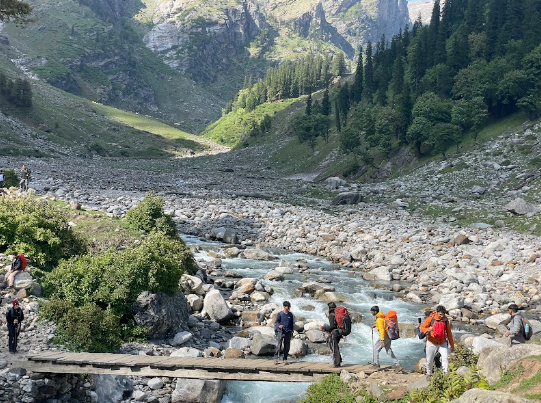
Instagram gives river crossings a breathtaking view.
But in reality,
it is a cold experience.
Some rivers are formed and fed by ice melting.
It is best to take your shoes off or wear sandals.
Tip: Always want to cross a river in the early morning to avoid the heavy rise of water levels in the afternoon when glaciers melt more.
4. The Hampta Pass Trek Height Can Surprise Your Body
The elevation of the Hampta Pass trek is about 14,100 feet (4,300 meters).
Though not one of the highest treks in India, it is still relatively high, so trekkers may experience some altitude sickness.
Altitude sickness symptoms include:
- Headache
- Lack of appetite
- Fatigue
- Nausea
- Insomnia
Please don’t worry when you start feeling a little bit tired.
Instead, try:
- Drink lots of water.
- Stay away from alcohol.
- Eat properly.
- Move at a leisurely pace.
- Take advice from your trekking guide.
Remember:
The mountain will give back to those who are patient.
5. The Hampta Pass Trek Distance Feels Longer Than It Sounds
Most itineraries list a distance of around 26-30 kilometers for the Hampta Pass adventure, but the distance may vary slightly depending on the route chosen.
This figure may not sound scary.
However, the 6 kilometers of mountain trail, filled with ups and downs, is different from the 6 kilometers of flat city roads.
Walking a 6-kilometer mountain trail can feel like walking 15 kilometers on flat roads.
So do not underestimate the trek just because of the numbers according to the plan.
Rather than just minding the numbers, you should be more careful about your pace while walking on the trek.
6. Packing Light Is Harder Than You Think
Every beginner mountaineer overloads himself.
You probably think that you will need:
- Extra jackets
- Many pairs of jeans
- Many T-shirts
- Heavy equipment for your camera
However, any extra kilogram will make itself felt after some time spent trekking.
A cleverly packed backpack should include:
- Two pairs of trekking pants
- Thermal wear
- Down jacket
- Rain jacket
- Gloves
- Wool cap
- Snacks for energy
- Water bottles
- Individual medicines
Think about every item you are going to pack:
“Do I really need it in the mountains?”
If not, don’t take it with you.
7. Mobile Network Practically Disappears
That’s shocking for most travelers.
As soon as you leave Manali, the phone signal disappears.
Most of the camping sites have barely any connection or none at all.
Instead of panicking about social media, it’s the right time for a digital detox.
In the evenings you can:
- Stargaze
- Chat with nearby trekkers
- Listen to river sounds
- Have nice campfire discussions
At times, disconnecting helps connect with yourself.
8. Every Day Looks Completely Different
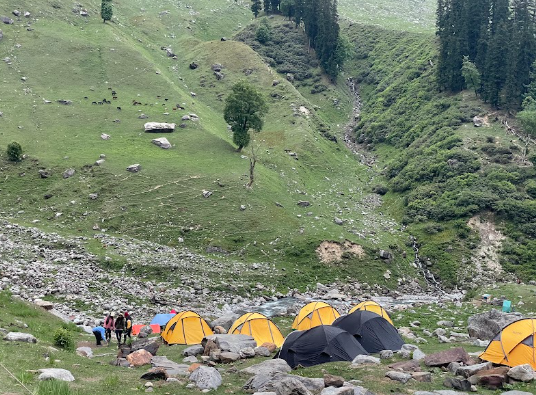
In contrast to many hikes where the landscape is pretty much the same throughout, the Hampta Pass trek varies greatly along its route.
Today you will hike through:
- Pine Forests
Tomorrow:
- Green Meadows
And then:
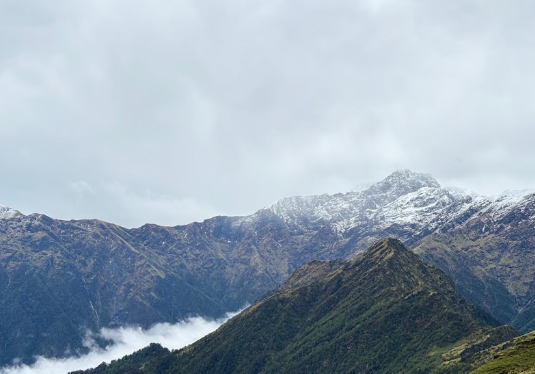
- Snow Fields
Followed by:
- Rock Mountain Deserts
And finally:
- Chandratal Lake (if your plan involves it)
Hardly any other trek in the Himalayas has so much geographical diversity in only five days.
That is precisely why photographers adore this path so much.
9. Your Mental Strength Matters More Than Your Fitness
The fact that trekkers are in good physical shape doesn’t mean they are ready mentally for what’s ahead.
- There are long hours of trekking.
- The weather is cold—early morning trekking can be a real challenge.
- It may start raining unexpectedly.
- Your shoes may get wet.
- The climb can be steep.
All of these moments test a trekker’s mentality rather than their muscles.
A good outlook makes it much easier to cope with obstacles.
Rather than repeating to yourself.
“Is it much farther?”
Try asking yourself:
“What wonderful sight will meet me around the corner?”
The attitude towards the entire situation changes right away.
10. The Finish Isn’t the Best Part
The Hampta Pass is considered the pinnacle of experience by everyone who goes there.
However, surprisingly, it is something entirely different that people remember from their visit.
Maybe it is:
- Having tea at the camp.
- Seeing the clouds hanging below the mountains.
- Making friends with strangers.
- Observing the Milky Way in the night sky.
- Walking quiet through the alpine meadows.
The Hampta Pass Trek is not merely about achieving the destination.
It is about those unforgettable moments experienced during the trek.
The destination is beautiful.
But the experience gained from point A to point B is even more valuable.
Bonus Tips for First-Time Trekkers
Before you book your adventure, keep these practical tips in mind.
Start Fitness Training Early
Begin preparing at least one month before your trek.
Include:
- Walking
- Stair climbing
- Jogging
- Squats
- Lunges
- Core exercises
Consistency matters more than intensity.
Stay Hydrated
No matter how cold it is outside, you should drink water regularly.
Drinking enough water helps you prevent altitude sickness.
Follow Leave No Trace Principles
Respect the mountains of the Himalayas.
Always:
- Carry your waste with you.
- Avoid plastic waste.
- Stick to marked trails.
- Take care of animals.
- Use eco-friendly products whenever you can.
Do Not Skip Trek Insurance
Most trekkers fail to consider trek insurance.
Buy an insurance plan that includes coverage for:
- High-altitude trekking
- Emergency evacuation
- Medical expenses
It is a wise purchase.
Is the Hampta Pass Trek Worth It?
Absolutely,
When you embark on the Hampta Pass trek, you get the perfect mix of all the features of a delightful Himalayan vacation, such as wonderful valleys, majestic snow-clad mountains, spectacular sights along the trail, and superbly beautiful camping spots.
There’s no doubt that the Hampta Pass trek requires long hours of walking and climbing, which can inflict fatigue.
It goes without saying that weather conditions on the way are ever-changing.
Indeed, the difficulty of the trek might surprise you.
Another important thing is the distance, which may feel longer than expected.
However, you should remember that the rewards of completing the trek outweigh all its difficulties.
It is worth your time and attention.
Final Thoughts
The greatest trekking adventures cannot be determined by excellent weather or perfect plans; rather, they come to fruition via unusual situations, meaning people’s evolution and the stories they carry back home.
You are already ahead of others because you are aware of things that are usually not given to tourists.
Be sure to pack wisely, train regularly, be flexible, and let the mountains be kind to you.
Your unforgettable experience will take place at Hampta Pass Treks.
FAQs About Hampta Pass Trek
Is altitude sickness common on Hampta Pass Trek?
Some trekkers may experience mild symptoms due to the altitude.
Are there network signals?
No network is available during most parts of the trek.
How difficult is the Hampta Pass Trek?
It is moderately difficult with steep ascents and descents.
Is snow available on Hampta Pass Trek?
Yes, snow is usually present in June and early July.
Which month is best for Hampta Pass Trek?
July and August offer lush green valleys and blooming flowers, while September provides clearer mountain views.
Related Blogs
Spiti Valley Tour Package Packing List: What to Carry for Your Trip
Ask anyone who’s done Spiti twice, and they’ll tell you the same thing: the trip that goes wrong usually goes…
Spiti Valley Tour Package 2026: Complete Travel Guide for First-Time Visitors
There’s a reason Spiti keeps showing up on every “before you turn 30” travel list, and it’s not just the…
Spiti Valley Tour Package from Delhi: Route, Cost & Complete Itinerary
Beyond Chitkul, greenery vanishes, and you instantly traverse from an environment of pines and apple orchards to one filled with…