
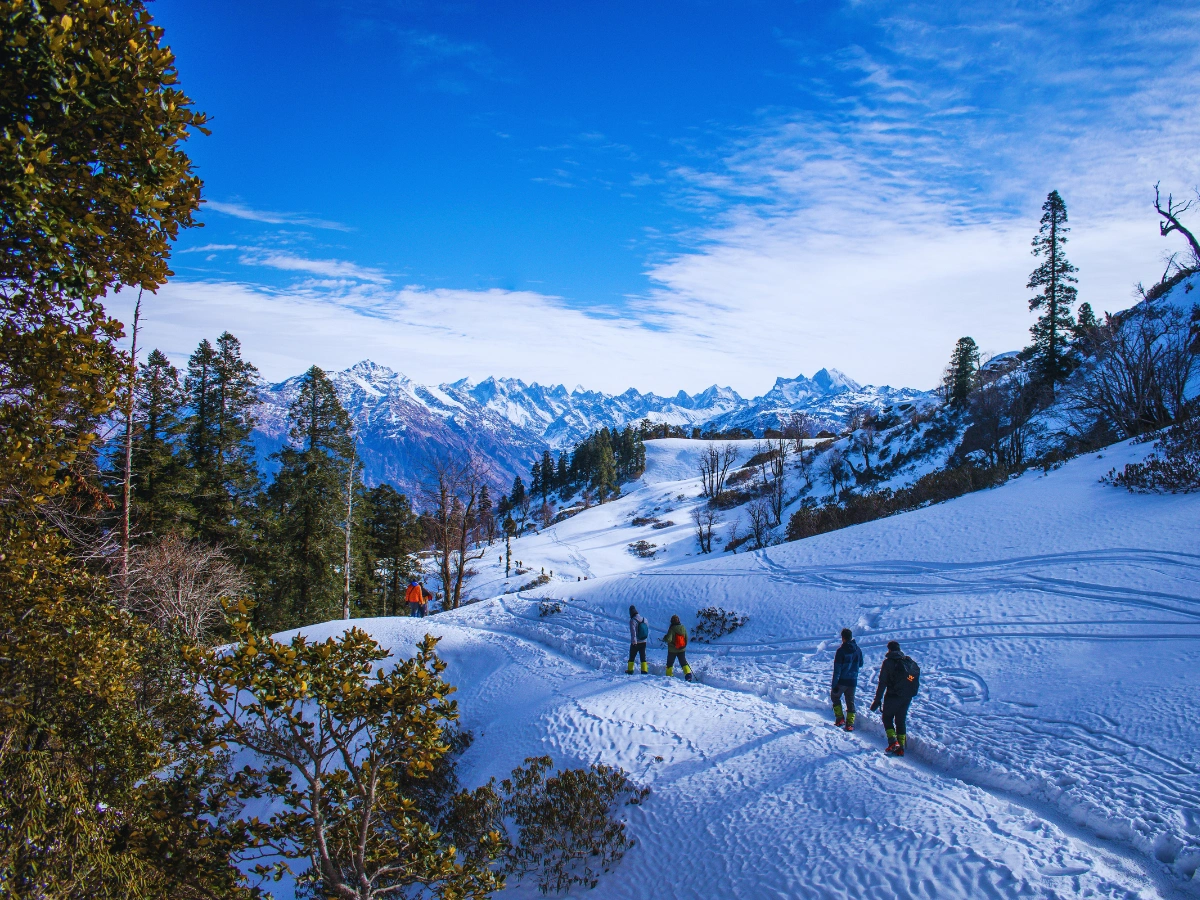
Kedarkantha Trek 2026: Complete Guide for First-Time Trekkers
Imagine walking through snowy forests, breathing in fresh mountain air, and admiring the rising sun turning the Himalayan peaks golden and orange. This is how the adventure for many starts, with the famous Kedarkantha trek, which is one of the most popular winter treks in India.
Kedarkantha trek is situated in the Garhwal Himalayas of Uttarakhand and is one of the most favoured treks by both beginners and seasoned trekkers. With its picturesque surroundings, relatively easy route, and guaranteed snowfalls, the Kedarkantha trek is the ideal starting point for exploring the Himalayas.
For those who are about to make their first adventure into the mountains in 2026, here is the guide for every aspect of it – from trails and prices to training and equipment.
Why Choose the Kedarkantha Trek?
Himalayan treks fall into two categories – those requiring technical skills and those requiring prior experience of multi-day treks. Kedarkantha offers both stunning panoramas from above the tree line and non-technical trails, resulting in moderate difficulty overall.
The Kedarkantha trek takes approximately one week to complete while ascending approximately 12,500 feet. The trails will allow you to traverse through forests and see quaint villages, frozen lakes (depending on the season), and stunning campsites.
You can expect:
- Spectacular vistas of snow-covered peaks.
- Non-technical, beginner-friendly trails.
- Panoramic views from the summit.
- Well-laid-out and organized trekking routes.
- Affordable transportation/trekking options.
- Camping experiences you will not forget.
For the novice, it would be the best place to begin experiencing trekking in the Himalayas.
Where Is Kedarkantha Trek Located?
The Kedarkantha trek is located within the limits of Govind Wildlife Sanctuary in Uttarkashi district in Uttarakhand.
Starting in Sankri, a quaint little mountain & forest village approximately 190 kilometers from Dehradun, Kedarkantha is the base camp.
From here, the trek passes through some of the most beautiful landscapes in the country, so the scenery you will see while trekking is as enjoyable as actually reaching your destination.
Best Time for Kedarkantha Trek
For most people new to trekking, one of the first questions that they will have is actually “what is the best time of year to plan a trek to Kedarkantha?”
The answer to that is dependent on what type of trekker you are; therefore, it will depend on what type of experience you are looking for.
Winter (December to March)
This is the most preferred season.
Some features include:
- New snow
- Ice-filled lakes
- Snowy woods
- Amazing views from the peak
Winter changes the track into a fantastic wonderland and also receives the maximum number of trekkers.
Spring (April to May)
Spring gives good weather conditions and blossoming forests.
- Advantages of spring are:
- Warm climate
- Less crowds
- Beautiful mountain views
Autumn (October to November)
This season is famous for its clear skies and high visibility.
Photographers especially adore autumn due to its picturesque Himalayan scenery.
Winter is the best season for all tourists longing for snow.
How to Reach Kedarkantha Trek
The journey to the Kedarkantha trek is relatively straightforward compared to many remote Himalayan expeditions.
Delhi to Dehradun
Travel options include:
By Train
- Travel Time: 5–7 hours
- Cost: ₹250–₹1,500
By Bus
- Travel Time: 6–8 hours
- Cost: ₹600–₹1,500
By Flight
- Travel Time: About 1 hour
- Cost: ₹2,500–₹7,000
Dehradun to Sankri
From Dehradun, trekkers travel by road to Sankri.
Options include:
- Shared Taxi
- Private Taxi
- Local Bus
The scenic drive takes approximately 8–10 hours and passes through rivers, forests, and mountain villages.
Kedarkantha Trek Itinerary for Beginners
Most trekking companies have created trek itineraries of either 5 or 6 days:
Day 1: Dehradun to Sankri
After arriving in SanKri, you will prepare for your impending trekking adventure. In the evening, you can explore the small, quaint village of Sankri and view the majestic mountains.
Day 2: Sankri to Juda Ka Talab
Day 2 consists of a trail walking through lovely stands of pine and oak trees.
The distance walked on this day will be about 4 kilometers.
You will camp beside the beautiful Lake of Juda, nestled in the trees and surrounded by nature.
Day 3: Juda Ka Talab to Kedarkantha Base Camp
As you ascend to the Kedarkantha Base Camp, you will notice that the views from this point are significantly more impressive than the ones you experienced earlier in the trip.
The distance walked on this day will be about 4 kilometers. The views from Kedarkantha Base Camp will be breathtaking, as you will be below and surrounded by multiple mountain peaks.
Day 4: Summit Day and Descent
Day 4 is undoubtedly the most thrilling day of the Kedarkantha trek.
Prior to sunrise each day, trekkers will begin their climb to the top of Kedarkantha.
Once at the summit, you will have the ability to see some of the most spectacular panoramic views imaginable.
Following your summit ascent, you will return to the base camp for your final campsite.
Day 5: Return to Sankri
Descending from the base camp will be more straightforward than ascending to the Base Camp. While descending, you will be able to take in the last batch of breathtaking mountain views before returning back to Sankri.
Day 6: Sankri to Dehradun
You will have an opportunity to return from Sankri to Dehradun and have numerous memories in your mind to think about and share with others.
Fitness Preparation for First-Time Trekkers
The Kedarkantha trek is quite easy to undertake, but there must be some level of fitness on your side.
It’s wise to start your preparation one month before leaving for the trek.
Suggested Activities
- Walking briskly
- Jogging
- Climbing stairs
- Cycling
- Strength training
- Strive to be able to walk 5-6 km without too much effort.
Kedarkantha Trek Cost Explained
The total cost of the Kedarkantha trek varies according to your mode of travel, choice of transport services, and trekking company.
Costs include:
Transport
- Delhi to Dehradun – ₹600 to ₹7,000
- Dehradun to Sankri – ₹800 to ₹1,200
Accommodation
- Hotels/Guest houses – ₹800 to ₹3,000
Rental Services
- Jackets
- Trekking sticks
- Shoes
Estimated cost – ₹500 to ₹2,000
Trek package
People usually pay ₹8,000 to ₹18,000
Choosing the Right Kedarkantha Trek Package
Taking a Kedarkantha trekking package becomes the most convenient thing to do for those who have never done treks before.
The basic package will include:
- Accommodation
- Food for the whole trek
- All equipment required for camping
- Trek guide
- Local guides
- Permits
- First aid assistance
Do not judge by prices only; you should compare what is included in the package.
Essential Packing List
Packing wisely is crucial for enjoying the kedarkantha trek comfortably.
Clothing
- Thermal layers
- Fleece jacket
- Waterproof jacket
- Trekking pants
- Woolen socks
Accessories
- Gloves
- Woolen cap
- Sunglasses
- Sunscreen
- Headlamp
Personal Items
- Water bottle
- Energy snacks
- Personal medicines
- Power bank
Avoid overpacking. Carry only what is necessary.
Common Mistakes First-Time Trekkers Make
Several novice trekkers commit avoidable mistakes when going for their first trek in the Himalayas.
Neglecting Stamina Training
A trek can easily be challenging even to experienced climbers who do not train their bodies enough before setting foot.
Carrying Excessive Loads
Trekking with a heavy load quickly becomes cumbersome on the mountain paths.
Using Unworn Boots
It is advisable to use boots that have already been worn in.
Mistakes like these should be avoided so that you enjoy the trip.
What Makes Kedarkantha Special in 2026?
This trek is increasingly becoming popular due to all the features that make it appealing to contemporary tourists:
- Adventure
- Scenic beauty
- Accessibility
- Affordable costs
- Social activities
- Photography opportunities
In the contemporary world, where people are becoming increasingly keen on outdoor travel and memorable experiences rather than on vacations, it becomes clear why Kedarkantha Trek is one of the best ways of experiencing the Himalayas.
Final Thoughts
The kedarkantha trek can be seen as more than just a mountain hike; it provides an introduction to the splendour, challenge and tranquillity of the Himalayas. The trek offers a range of experiences from hiking through snow-covered forests and frozen lakes to breathtaking summit views, with rewarding experiences at every turn.
If you are a first-time trekker in 2026, then the Kedarkantha trek offers an ideal mix of accessibility and excitement. By preparing thoroughly, setting realistic expectations and maintaining a positive attitude, the Kedarkantha trek could be one of the highlights of your life.
If you have been waiting for the perfect chance to go on a Himalayan adventure to start your trekking journey, this could be that opportunity.
FAQs About Kedarkantha Trek
Can a beginner do Kedarkantha trek?
Absolutely yes! Kedarkantha Trek is one of the best beginner-friendly Himalayan treks in India, combining easy-to-manage trekking trails and adventure at high altitudes; therefore, it would be an excellent choice for first-time trekkers.
How many days are enough for the Kedarkantha Trek?
Kedarkantha trek is 18 km in length and takes 4 days to complete (6 if you include travel days from Dehradun). Day 1 starts with a 5 km trek taking about 4 hours. For Day 2, you will only do approximately 2 km for a total of about 2 hours of trekking.
How difficult is Kedarkantha?
The Kedarkantha trek is rated “easy to moderate” according to the difficulty scale, so it’s a good, adventurous introduction to high altitude trekking through the Himalayas for beginners. It involves a high-altitude ascent; therefore, it tests the endurance of the limbs, and the most physically demanding part of the trek is the final steep ascent to the summit.
Related Blogs
Spiti Valley Tour Package Packing List: What to Carry for Your Trip
Ask anyone who’s done Spiti twice, and they’ll tell you the same thing: the trip that goes wrong usually goes…
Spiti Valley Tour Package 2026: Complete Travel Guide for First-Time Visitors
There’s a reason Spiti keeps showing up on every “before you turn 30” travel list, and it’s not just the…
Spiti Valley Tour Package from Delhi: Route, Cost & Complete Itinerary
Beyond Chitkul, greenery vanishes, and you instantly traverse from an environment of pines and apple orchards to one filled with…