
Monsoon Magic: Why Valley of Flowers Trek Is India’s Most Beautiful Rainy Season Trek
As most trekkers pack up their hiking boots due to the onset of the monsoon rains, a hidden paradise springs up in the Himalayas. The Valley of Flowers trek is located in the Chamoli District of Uttarakhand and offers picturesque views of blooming wildflowers, misty mountains, cascading waterfalls, and green meadows.
Whereas most treks become difficult during the monsoon rains, this UNESCO World Heritage Site blossoms into an experience unlike any other in India.
The Valley of Flowers trek is best described by nature enthusiasts, photographers, adventurers, and anyone interested in experiencing the beauty of the Himalayas.
A Trek That Comes Alive with the Rain
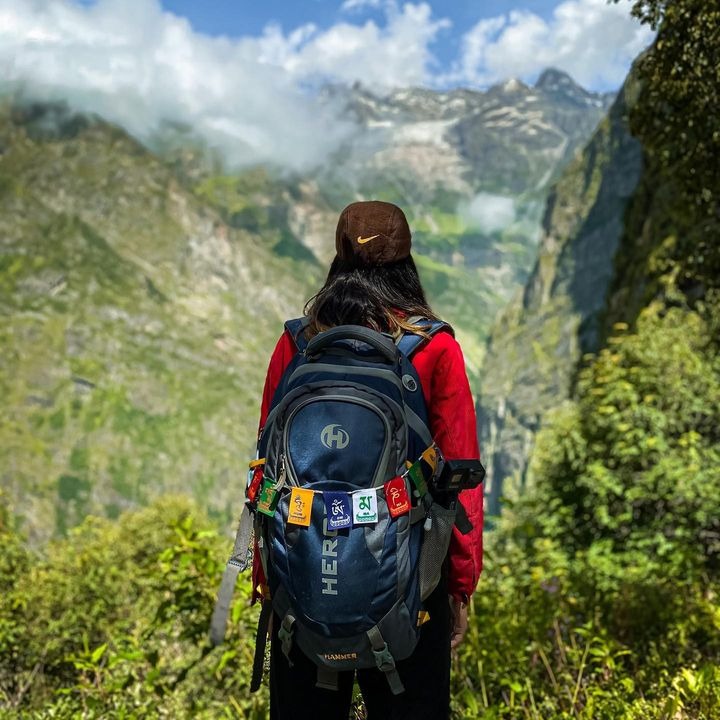
The Valley of Flowers trek is stunning because of its connection with the monsoon season. Many places in the Himalaya mountains are great to go to in the summer and autumn months, but this alpine valley is at its best in July, August, and September.
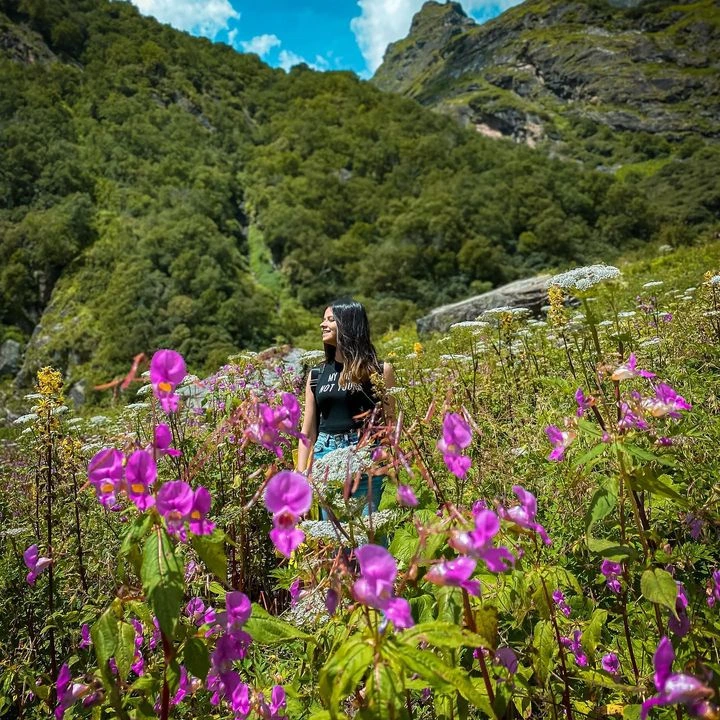
The rain from the monsoon season brings life to the valley, and the valley floor is covered in thousands of beautiful flowers in different colors (pink, yellow, blue, white, and purple). This creates a blanket of color that covers the valley.
In addition to the flowers, the mist rising from other mountains adds to the valley’s unique beauty. When you walk through the valley, it feels like you are moving through a dream.
The Story Behind the Valley of Flowers
The beautiful Valley of Flowers Uttarakhand was relatively unknown to the world until it was discovered by British mountaineer Frank Smythe in 1931. Impressed by its beauty, he named it “Valley of Flowers”. This has remained the name after that date.
Now, it is famous worldwide for its ecological importance and extraordinary biodiversity, as it contains over 500 species of alpine flowers which attract botanists, photographers and trekkers from across the globe.
The Valley of Flowers Trek isn’t just an adventure through the mountains; it’s really an experience of walking through one of nature’s greatest works of art.
Why Monsoon Is the Best Season for the Trek

Visitors often ask about “valley of flowers best time to visit”. The best response would be July-August.
That is when the valley is in bloom. New varieties of flowers bloom every week, ensuring that each visit is different from the last.
In this season, trekking visitors will get to see:
- Colorful fields filled with wildflowers
- Refreshing mountain streams and waterfalls
- Green valleys
- Good weather conditions
- The beautiful Himalayas under the clouds
Rainfall and the valley’s alpine environment create ideal conditions for the blooming season.
A Visual Feast for Photographers
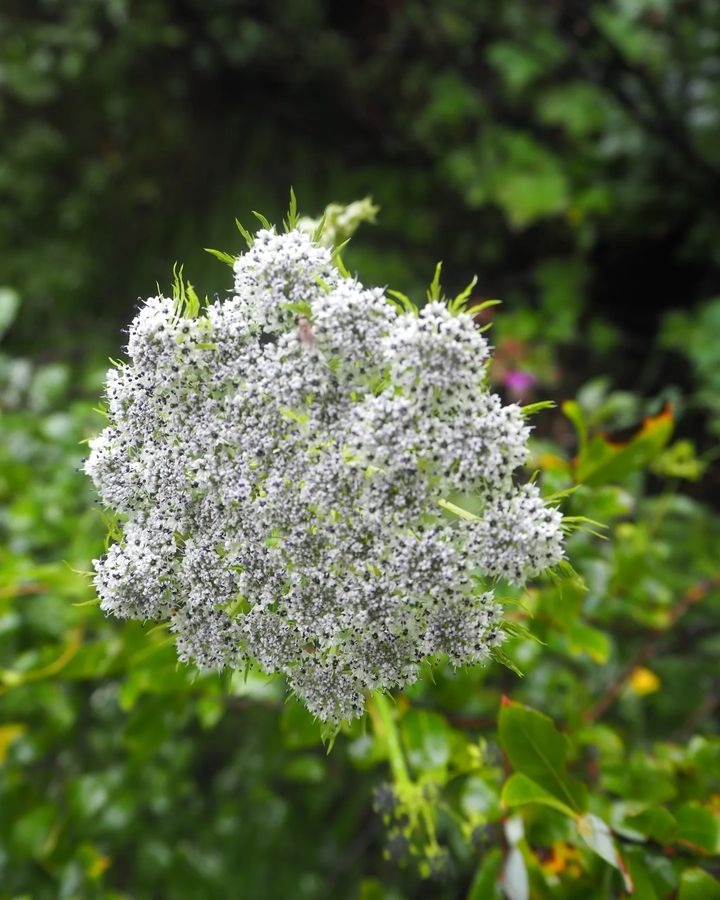
The Valley of Flowers trek in India should be on every photographer’s list of must-dos.
At every point along the trail, there is a postcard shot to be found; one minute, you will be walking along a perfectly clear creek, the next surrounded by a vast field full of brightly coloured flowers, beneath an impressive backdrop of the mighty Himalayas.
With the weather changing from sunny to cloudy, from wind to calm, the number of opportunities for dramatic shots is virtually limitless as sunlight beams through thick clouds, mist ebbs and flows over the colorful flower meadows, and raindrops linger on the flowers.
Whether you are using a professional camera or your phone, you will have countless exceptional photo opportunities.
An Easy Himalayan Adventure for Beginners
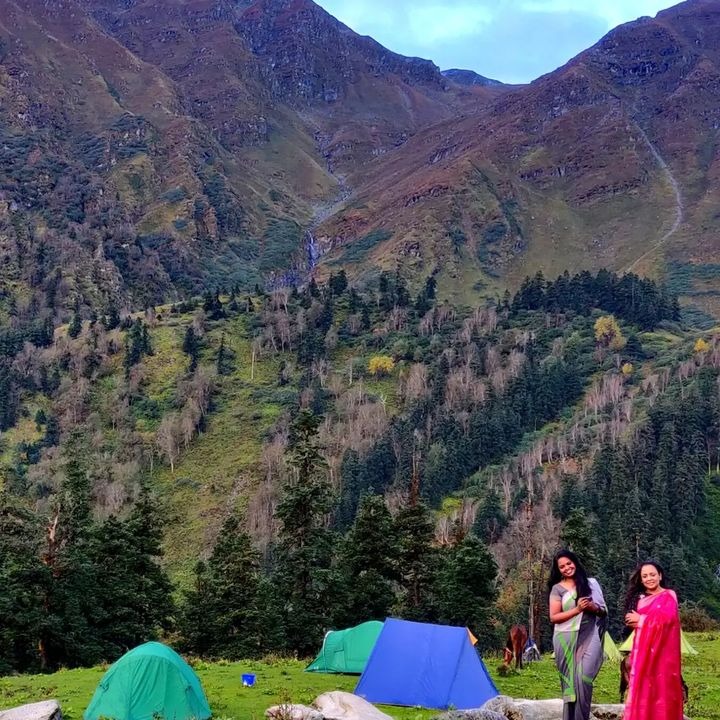
Unlike most Himalayan high-altitude treks, the Valley of Flowers trek is suitable for beginner trekkers with a reasonable level of fitness.
The trek begins at Govindghat and continues via Ghangaria to the Valley of Flowers and Hemkund Sahib, which serve as your base camps for both locations. Due to the well-established trail, moderate elevation gain, and comfortable accommodations, this trek is open to all types of trekkers.
Consequently, the Valley of Flowers trek is gaining in popularity among first-time trekkers, families, and solo trekkers.
The Incredible Biodiversity of the Valley
One of the biggest highlights of the Valley of Flowers trek is its remarkable biodiversity.
The valley hosts numerous rare Himalayan flower species, including:
- Blue Poppy
- Cobra Lily
- Brahma Kamal
- Himalayan Bellflower
- Primulas
- Anemones
- Potentillas
Beyond flowers, visitors may also spot rare wildlife such as:
- Himalayan Black Bear
- Musk Deer
- Blue Sheep
- Himalayan Monal
- Snow Leopard (extremely rare)
This rich ecosystem makes the trek a paradise for nature enthusiasts and wildlife lovers.
The Journey Is as Beautiful as the Destination
Traveling to the Valley of Flowers starts long before the actual trek; many people come from Dehradun via road, which is not only fun but a scenic drive through the best of Uttarakhand.
The drive you will take follows the Alaknanda River through beautiful little towns in the hills, with many old temples along the way and incredible views of the surrounding mountains. Every time you turn a corner, you see something new, and it all builds your excitement for what lies ahead.
Once you arrive at the town of Govindghat, your excitement for the trip has already begun!
More Than Just Flowers: The Spiritual Connection
The Valley of Flowers trek has another unique aspect: a spiritual connection to the region’s sacred site, Hemkund Sahib (one of the highest pilgrimage sites in Sikhism). The pilgrimage site attracts many visitors each year, and many trekkers will hike to view both sites (the valley and Hemkund) on the same trek.
The natural beauty, stillness, and elegance of the mountains will produce an experience that represents a disconnect from daily life’s stresses and a reconnection to Mother Nature – more than just a sightseeing tour.
Tips for Enjoying the Trek During Monsoon
To ensure that you enjoy this adventure as much as possible, here are some useful tips:
Pack Waterproof Gear
Make sure you have your raincoat, backpack cover, and moisture-resistant clothing.
Wear Proper Trekking Shoes
Having a good grip is very important, as some parts may be quite slippery in the rain.
Start Early
It is usually better in the mornings because the weather is clear and there is less rain.
Stay Hydrated
Although the weather is cool, you need to make sure you have enough water.
Respect Nature
Avoid littering and stay on designated trails to protect the fragile ecosystem.
These simple precautions can help ensure a safe and enjoyable trekking experience.
Why This Trek Deserves a Spot on Your Bucket List
India has many beautiful places to go for treks, but nothing is like trekking through the Valley of Flowers. While there’s nothing wrong with climbing a snowy mountain or seeing the beauty of an autumn landscape, it’s hard to explain the beauty of experiencing nature at its brightest and most colorful.
There are so many ways that the valley of flowers will touch your heart: bubbling rivers, misty valleys, beautiful waterfalls, an abundance of wildlife, and the sense of peace that accompanies the area.
The thousands of people who visit the Valley of Flowers every year, both from India and from elsewhere in the world, come with very high hopes, but when they leave after spending time there, they will have memories that last a lifetime.
Final Thoughts
The rainy season often puts a damper on travel plans; however, the Valley of Flowers trek shows how certain places are meant to be visited in the rain. The valley will display the splendor of thousands of flowers blooming below you while the clouds float through the lower reaches of the Himalayan mountains.
If your interests include adventure, photography, nature, and/or escaping the hustle and bustle of city life, you will find that the Valley of Flowers trek offers an exceptional experience in one of the world’s great natural wonders, along with many other highlights.
This monsoon season, visit the Valley of Flowers for a huge change from the typical tourist overcrowding, with blooming meadows, waterfalls, and stunning mountain views. The Valley of Flowers is waiting for you to show why it is India’s scenic rainy-season trek (most beautiful).
FAQs About Valley of Flowers Trek
Which month is best for Valley of Flowers Trek?
August marks the best month to enjoy the Valley of Flowers trek as it is the peak bloom month for this UNESCO World Heritage Site. The area’s vibrant colors are created as monsoon rains reach their peak intensity. With an estimated 500 different species of alpine flowering plants growing in the valley, it has become a botanical paradise, particularly the rare blue poppy found in the Himalayas.
Can I visit Valley of Flowers without trekking?
No, you cannot visit the Valley of Flowers by any means other than using your own legs to walk there. While it is possible to avoid the very challenging 14-kilometer hike from the road into base camp by taking either a helicopter or a mule, there is only one method of experiencing the valley once you are inside it: on foot! To access the valley itself, you will need to complete a 3- to 4-kilometer (one-way) hike over rocky, sloping ground; no vehicles or mules are permitted within the national park.
Is Valley of Flowers a beginner trek?
The Valley of Flowers, located in Uttarakhand, is a great beginner trek! It offers an easy-to-follow stone trail with gradual elevation changes, making it easy for first-time trekkers to get started. In addition, there are also guesthouses located near the base camp rather than tents or huts.
Related Blogs
Spiti Valley Tour Package Packing List: What to Carry for Your Trip
Ask anyone who’s done Spiti twice, and they’ll tell you the same thing: the trip that goes wrong usually goes…
Spiti Valley Tour Package 2026: Complete Travel Guide for First-Time Visitors
There’s a reason Spiti keeps showing up on every “before you turn 30” travel list, and it’s not just the…
Spiti Valley Tour Package from Delhi: Route, Cost & Complete Itinerary
Beyond Chitkul, greenery vanishes, and you instantly traverse from an environment of pines and apple orchards to one filled with…