
Best Time for Chopta Tungnath Trek: A Seasonal Guide for Every Traveler
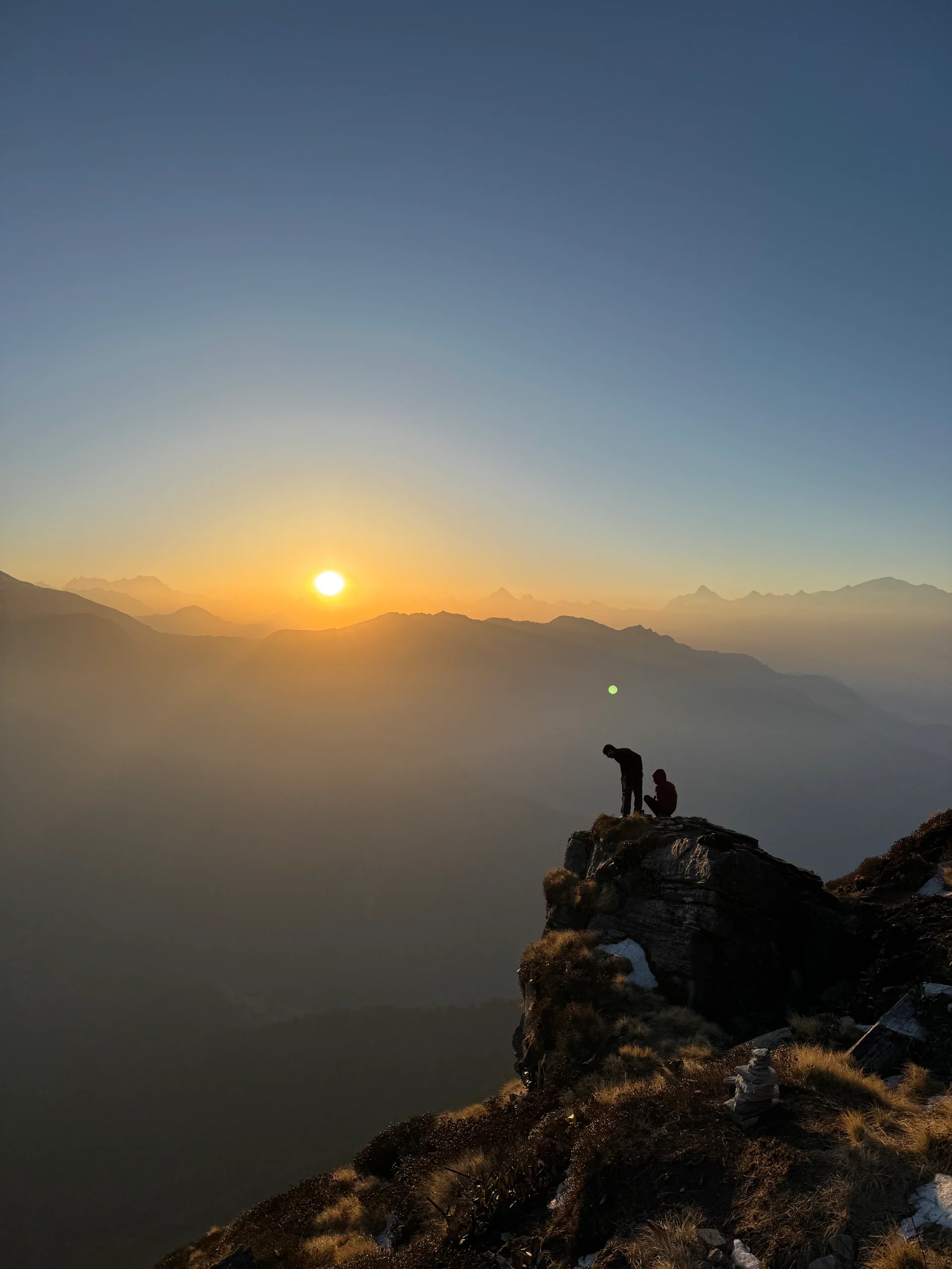
Standing at the top of Chandrashila Peak trek as the first rays of sunlight touch the snow-covered Himalayan peaks is a moment you’ll never forget. The crisp mountain air, the silence of the valleys below, and the feeling of being above the clouds make the Chopta Tungnath Trek one of the most rewarding experiences in Uttarakhand.
But before you pack your bags and lace up your trekking shoes, there’s one important question to answer: What is the Best Time for Chopta Tungnath Trek?
The truth is that Chopta looks completely different in every season. In spring, the forests burst into color with blooming rhododendrons. Summer brings pleasant weather and clear trails. Autumn offers some of the clearest mountain views you’ll ever see, while winter turns the entire region into a snow-covered wonderland.
The best season depends on the kind of experience you’re looking for. Here’s a complete guide to help you decide.
Why the Season Matters
A significant factor contributing to the popularity of the Chopta Tungnath Trek is that it is accessible for most of the year and is also known as “Chopta Mini Switzerland, Uttarakhand”. The terrain, climate, and trekking conditions will vary greatly depending on the period you choose for this hike.
When determining the appropriate season to go on the Chopta Tungnath Trek, there are more things to think about than just good weather. This also depends on your preference for snow-covered paths, colorful foliage, small numbers of people, or perfect vistas of the Himalayas.
Now let us analyze this, one season at a time.
Spring (March to April): When Nature Comes Alive

You’ll be hooked on Spring if you like being outdoors.
As winter melts away, Chopta is evolving into a bright, magical retreat. The woods along the trek are bursting with rhododendrons, creating vivid red and pink hues on both sides of the pass. The still-visible snow provides a stunning contrast to the new green foliage appearing.
With pleasant daytime temperatures, anyone wanting to go trekking can do so with ease, even if they are new to it.
For photographers and nature lovers, Spring is believed to be the Best Time to travel to Chopta Tungnath because you will see nature all around you at different times of the day from different locations.
What You’ll Love?
- Blooming rhododendron forests
- Comfortable temperatures
- Clear mountain views
- Fewer crowds compared to summer
For photographers and nature lovers, Spring is believed to be the Best Time to travel to Chopta Tungnath because you will see nature all around you at different times of the day from different locations.
Summer (May to June): The Most Popular Trekking Season
This is when Chopta receives the most tourists, for obvious reasons.
The snow has almost melted, the trails are easy to walk through, and the weather is pleasant throughout the day. Whereas most of India faces extreme heat in summer, Chopta becomes an ideal place for those who love to trek through mountains.
Ideal for Beginners
What You’ll Love?
- Easy trekking
- Pleasant climate
- Clear tracks
- Perfect for beginners
If it is your first-ever Himalayan trek, then the Chopta Tungnath Trek can easily be your best time for the Chopta Tungnath Trek.
Monsoon (July to September): For Those Who Love the Green Himalayas
During monsoon time, the mountains have a magical quality. The hills are vibrantly green, with many small waterfalls on the roadside; the whole area is fresh and new. The forest appears thicker, and the valley looks brighter after each rainy spell.
However, challenges exist when trekking during this period.
Wet dirt creates very slippery surfaces. There is sometimes too much rain, resulting in landslides that restrict road access. Caution and flexibility are necessary when developing your travel arrangements for trekking at this time of year.
What You’ll Love?
- Lush green landscapes
- Fewer tourists
- Peaceful trekking experience
While the scenery is breathtaking, monsoon is usually not considered the best time for the Chopta Tungnath Trek for beginners due to unpredictable weather conditions.
Autumn (October to November): The Season of Perfect Views
Ask any seasoned trekkers about their most preferred season in the Himalayas, and you will probably hear “Autumn” more than once.
Following the cleansing showers from the monsoons, the sky clears up spectacularly. On a good day, you get the full view of Himalayan peaks such as Nanda Devi, Trishul, and Chaukhamba.
The climate is nice and stable, ensuring a pleasant trekking experience all through the day.
What You’ll Love?
- Clear views of mountains
- Nice climate
- Photography
- Not too muddy trails
Autumn is the best time for the Chopta Tungnath trek for those who love the mountains.
Winter (December to February): A Snow Lover’s Dream
Walking through the whiteout that encircles Chopta in the depths of winter is one of the most awe-inspiring experiences in life.
The entire area has been turned into a winter wonderland, with thick snow covering trees, trails, fields, and mountains, resulting in a “postcard” view from every direction.
Despite being more challenging than summer trekking, the challenge is part of what makes being outside in the wintertime so special.
Represented by fresh, untouched snow with the towering Himalayas around you, it’s as though you’ve entered another world.
What You’ll Love?
- Trails covered in snow
- Stunning winter scenery
- Unique trekking experience
- Less crowds
When considering timing for your next trip to Chopta Tungnath, most adventure seekers agree that the best time is during the winter months for a genuine Himalayan snow trek.
Which Season Should You Choose?
Still not sure about your timing? Here is the explanation for you.
Still not sure about your timing? Here is the explanation for you.
Go for Spring When:
Flowers, verdure, and nice trekking weather are your preference.
Go for Summer When:
You are a beginner or seeking the easiest trek.
Go for Autumn When:
Good views of the mountains and photography are important to you.
Go for Winter When:
Snowing is what you are looking for.
A Few Practical Tips Before You Go

No matter when you go there, proper planning is what will make your trip really pleasurable.
- Pack layers of clothes since the weather on the mountains is highly variable.
- Have good trekking shoes with proper grip.
- Begin your trip in the morning.
- Stay well-hydrated along the way.
- Know the weather forecast prior to the trip.
- Get the accommodation ready for your trip.
This will really help you have a great experience!
Final Thoughts
The best time for the Chopta Tungnath Trek will depend entirely on the kind of experience you are seeking from the trip.
If you prefer blooming forests and a pleasant climate, it is advisable to take the trip in springtime. If you wish to enjoy trekking without any difficulties, summer is the best time to take up the trek. For scenic views of the Himalayas, autumn may be a good time to consider. But in case you are fond of experiencing snow-covered terrain, then winter is the season for you.
As far as I am concerned, October to November and March to June are the seasons when the experience will be well-rounded. However, every season has its own charm.
FAQs About Chopta Tungnath Trek
Which month is best for the Tungnath trek?
One must go for the Tungnath Trek during May-June and September-November, when the weather is favorable, and the beautiful Himalayan mountain ranges are visible under clear skies.
In which month is Tungnath closed?
Tungnath Temple remains closed during winters, i.e., between November and April, due to severe snowfall. Tungnath Temple is generally closed after the Diwali festival at the beginning of November.
Can we trek Tungnath in winter?
Trekking from Chopta to Tungnath is possible year-round, except during winter. However, once you are out of November, the trail is completely covered in snow from December to March.
Related Blogs
Spiti Valley Tour Package Packing List: What to Carry for Your Trip
Ask anyone who’s done Spiti twice, and they’ll tell you the same thing: the trip that goes wrong usually goes…
Spiti Valley Tour Package 2026: Complete Travel Guide for First-Time Visitors
There’s a reason Spiti keeps showing up on every “before you turn 30” travel list, and it’s not just the…
Spiti Valley Tour Package from Delhi: Route, Cost & Complete Itinerary
Beyond Chitkul, greenery vanishes, and you instantly traverse from an environment of pines and apple orchards to one filled with…