

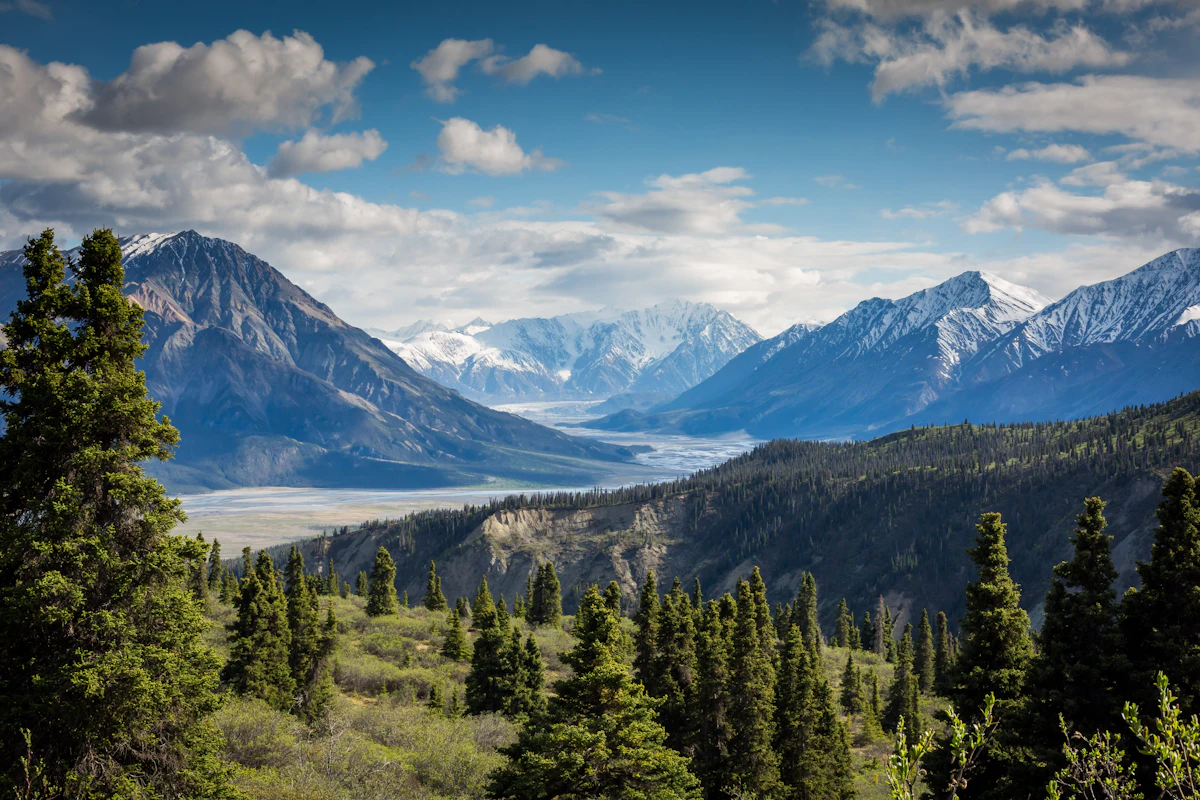
Kedarkantha Trek is one of the most loved Himalayan winter treks for a reason. It offers dense pine forests, snowy clearings, traditional mountain villages, dramatic campsites, and a broad summit ridge that opens up to some of the most memorable views in the Garhwal Himalaya. The trail is ideal for first-time trekkers looking for a real mountain journey, while still being scenic enough for experienced hikers who want a short and satisfying summit trek.
The trek generally begins after reaching the Sankri region in Uttarakhand. The route moves through forested trails, snow-covered clearings, and ridge sections before leading to the Kedarkantha summit viewpoint.
| Parameter | Details |
|---|---|
| State | Uttarakhand |
| Nearest Trek Base | Sankri |
| Nearest Major City | Dehradun |
| Terrain | Forests, clearings, ridges, snow slopes |
This sample itinerary is designed for comfort, acclimatization, and better summit timing. Timings can vary depending on road conditions, weather, snow conditions, and group movement pace.
Arrive in Dehradun and begin the drive toward Sankri, a beautiful mountain village that acts as the main base for Kedarkantha Trek. The road journey is long but scenic, moving through changing landscapes, river valleys, winding mountain roads, and small Uttarakhand settlements. On arrival, check into the stay, rest, meet the trek team, and receive a briefing for the days ahead. As the route climbs higher, you will notice a visible shift in terrain, climate, and culture. The bustling plains slowly fade behind, replaced by deep valleys, pine forests, step farming, and charming Himalayan villages. Tea breaks on the way often become memorable because of the fresh air and river views. Once you reach Sankri, the peaceful mountain atmosphere immediately sets the tone for the trek. After freshening up, the evening is usually spent resting, organizing your backpack, understanding trek dos and don’ts, and mentally preparing for the first walking day ahead.
After breakfast, begin trekking through dense pine and oak forests. The trail gradually climbs and introduces the rhythm of the mountain journey without feeling overwhelming. Depending on weather and campsite allocation, the camp for the night is usually around Juda Ka Talab or a nearby designated snow camp. The evening is calm, cold, and perfect for adjusting to the mountain environment. This day is ideal for easing into the trek because the ascent is steady and scenic rather than aggressive. The forest path feels immersive, with tall trees creating shade and occasional clearings offering wider mountain views. In winter months, patches of snow may begin appearing on the trail, making the experience even more special for trekkers. Reaching camp feels rewarding, especially as the air gets colder and the silence of the mountains becomes more noticeable. After settling in, trekkers usually enjoy hot snacks, warm drinks, and a restful evening under a sky that often turns incredibly clear after sunset.
Today’s trek moves higher and often opens up wider views as the forests begin to thin out. Snow cover is usually more visible in the winter season, and the trail feels distinctly alpine compared to the previous day. Reach the base camp by afternoon, settle into tents, hydrate well, and rest early because the summit attempt generally starts before sunrise the next day. The scenery starts changing significantly on this day. The enclosed forest feel slowly gives way to broader viewpoints, open patches, and a more dramatic mountain setting. Trekkers usually feel the altitude more here, so pacing, hydration, and regular breaks become important. By the time you reach base camp, the environment feels quieter, colder, and more remote, creating that real high-altitude expedition mood. The team usually prepares everyone for summit day by giving instructions about wake-up timing, clothing layers, headlamps, and safe movement on snow. It is one of the most exciting evenings of the entire trek.
Start very early to attempt the Kedarkantha summit. The climb is the most demanding section of the trek, especially in snow, but the summit reward is exceptional. The panoramic ridge and mountain views make the effort worthwhile. After spending some time at the top, begin the descent carefully. Depending on the itinerary design, descend toward a lower campsite or return toward the Sankri side for the night. Summit day is usually the highlight of the entire trek and begins in darkness, often under a sky full of stars. The climb requires patience, steady breathing, and careful foot placement, especially when the trail is covered with snow or ice. As dawn begins to break, the surroundings transform beautifully, and the final stretch to the summit becomes incredibly motivating. Reaching the top feels deeply rewarding, with sweeping views of Himalayan ranges and snow-covered ridgelines in every direction. After spending time at the summit for photos and rest, the descent begins, and although it is easier in elevation terms, it still requires focus and energy. By evening, reaching camp after such a long but fulfilling day feels immensely satisfying.
Complete the final descent if required and return toward Sankri. After breakfast or lunch depending on movement timing, begin the drive back toward Dehradun. The journey marks the end of the trek with tired legs, full camera rolls, and a very satisfying summit memory. The last day often carries a mix of emotions—fatigue, relief, and a strong sense of achievement. As you leave the trail behind and return toward road access, the entire journey starts replaying in your mind: forest paths, campsite moments, snowy sections, and the summit itself. Once back in Sankri, the drive to Dehradun begins, and the group usually spends the journey sharing stories, photos, and favorite memories from the trek. By the time you return, the adventure may be over, but the experience of Kedarkantha continues to stay with you long after the trek ends.
Having a clear view of inclusions and exclusions helps trekkers plan personal expenses better and pack without confusion.
The trek becomes more comfortable when packing, fitness, and personal health are planned in advance. Use the sections below as a practical pre-departure guide.
| Focus Area | Recommended Practice | Suggested Frequency |
|---|---|---|
| Cardio Endurance | Brisk walking, stair climbing, jogging, cycling, or incline treadmill work | 4–5 days / week |
| Leg Strength | Squats, lunges, step-ups, calf raises, and controlled bodyweight training | 3–4 days / week |
| Core Stability | Planks, side planks, and basic mobility work for better balance on trail | 3 days / week |
| Loaded Walks | Walking with a light backpack to simulate trekking effort | 1–2 days / week |
| Medical Point | What You Should Do |
|---|---|
| Pre-existing Condition | Inform the organiser in advance if you have asthma, heart issues, blood pressure concerns, or any major medical history. |
| Personal Medication | Carry all prescribed medicines in adequate quantity and keep them easily accessible during both road and trek days. |
| Hydration & Nutrition | Stay hydrated and avoid skipping meals before and during the trek to maintain energy levels and reduce fatigue. |
| Cold Protection | Layering properly is essential to avoid discomfort, energy loss, and cold-related exhaustion in winter conditions. |
| Doctor Consultation | If unsure about your fitness or health, take medical advice before booking or before departure. |
This section is only a general preparation guide. It is not a substitute for professional medical advice. Every trekker should make decisions based on their own health condition and doctor’s recommendation where needed.
Most trekkers first reach Dehradun and then continue toward Sankri by road. Below is a simple route understanding for planning your journey smoothly.
Delhi acts as the common major gateway. The usual plan is to first reach Dehradun and then continue by road to Sankri.
Dehradun is the primary trek assembly city for Kedarkantha. Most group departures are coordinated from here.
Dummy images are used here for now. Every image opens in a lightbox, and the gallery supports previous and next navigation.


These are sample departure slots shown only for display. You can later replace them with real dates or dynamic availability.
| Month | Batch Dates | Seats Status | Remarks |
|---|---|---|---|
| December | 06 Dec, 13 Dec, 20 Dec, 27 Dec | Filling Fast | Popular peak winter departures |
| January | 03 Jan, 10 Jan, 17 Jan, 24 Jan, 31 Jan | Available | Best month for consistent snow feel |
| February | 07 Feb, 14 Feb, 21 Feb, 28 Feb | Available | Balanced weather and winter trail conditions |
| March | 07 Mar, 14 Mar, 21 Mar | Limited | Late winter and early spring transition |
These are draft policy sections for design and structure. You can later replace them with your final legal text.
These FAQs cover the most common concerns related to difficulty, weather, packing, and suitability.
Yes, it is commonly considered one of the better Himalayan summit treks for beginners, provided the trekker has basic fitness, proper winter clothing, and realistic expectations about cold weather and continuous walking.
The winter season is the most popular period for a snow-filled Kedarkantha experience. Actual snow conditions vary from batch to batch depending on the season and prevailing weather.
Prior trekking experience is helpful but not mandatory. A good fitness base, mental readiness, and disciplined packing matter more for most first-timers.
Carry trekking shoes with solid grip, good ankle support, and comfortable break-in before the trek. Avoid new or slippery casual shoes.
With proper organisation, correct gear, suitable weather windows, and responsible group movement, the trek can be done safely. However, mountain safety always depends on conditions and decision-making on the ground.
